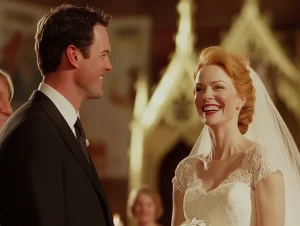
Gwen froze. In twenty years of stepmotherhood, Elizabeth had never offered to carry anything for her. Not her groceries when her knee ached, not her suitcase at the airport, not even a stack of dishes after a holiday dinner. It had always been cold, transactional: “Dad said you needed help with the bills,” or “I’m only here because he asked.” But now, her tone held something like… deference? Gwen handed over the folder before she could overthink it.
The rest of the meeting blurred into a haze of paperwork and polite chatter. Father Michael talked about readings, the organist mentioned hymn choices, but Gwen’s focus stayed fixed on Elizabeth, waiting for the other shoe to drop. For the sharp remark about “wasting money on lilies” or the eye-roll at Gwen’s suggestion to invite Mr. Henderson, their 89-year-old neighbor. But it never came. Elizabeth nodded, asked quiet questions about Albert’s favorite verses, and even jotted down notes in the margin of her notebook.
When they stepped outside, the autumn air bit at Gwen’s cheeks. She’d made it halfway to her car—a dented Honda Civic Albert had insisted she keep, “just in case”—when Elizabeth called out. “Wait a second, Gwen.” Her tone was gentle, almost tentative, as if she were afraid Gwen might run. Gwen paused, her hand on the car door handle, and turned.
Elizabeth hurried over, her heels clicking on the pavement, and stuffed her hands in her coat pockets. “Would you like to grab lunch together?” she asked, and her voice hitched, awkward but earnest. “That Cornerstone café is nearby, isn’t it? I passed it on the way here.”
Gwen blinked. In two decades, Elizabeth had never invited her to so much as a cup of coffee. Their interactions had been limited to holidays, funerals, and the occasional tense visit when Albert was sick. It was always business—“When will Dad’s Social Security come in?”—always cold, as if Gwen were a stranger who’d overstayed her welcome. Now, here she was, asking to eat together like they were… friends?