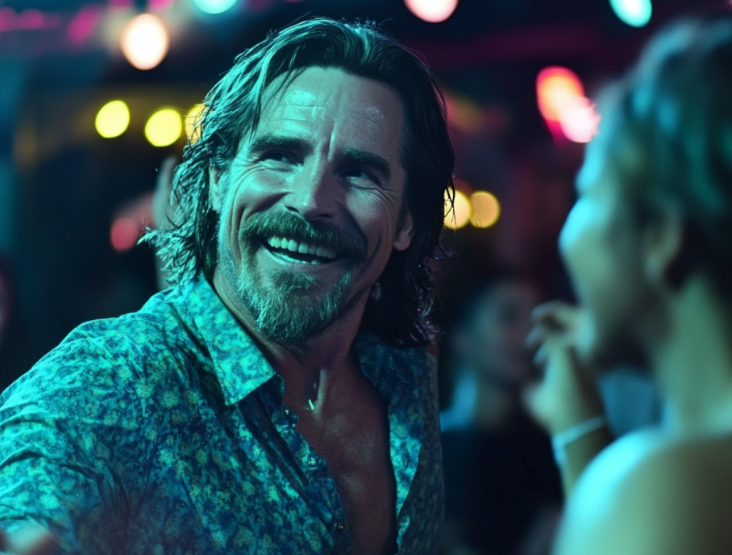
It began as a pinch, sharp and sudden, stealing his breath. Clutching his side, Justin doubled over, forehead damp with sweat. He groaned, struggling to stay still as the pain bloomed under his ribs. Minutes passed before he could sit upright. His hands trembled. Instinct kicked in.
He called the diner, croaked an apology, said he wouldn’t come in. Grabbing a crumpled hoodie, he walked to the clinic down the block. The waiting room was a blend of bleary-eyed clubbers and elderly locals. Justin sat between worlds.
To his left, a girl in fishnets clutched a bottle of water like her lifeline. To his right, an old man leaned heavily on a cane, his daughter filling out forms. Justin looked at his own veined, spotted hands—no longer quick to heal. Something inside shifted.
For the first time, the mirror he held up to life cracked. He had always seen himself as timeless, an exception to decay. Now, watching the old man rub swollen knuckles, Justin felt an unfamiliar stab of recognition. He wasn’t pretending to be young anymore—he was pretending not to be old.
His name echoed through the room. A nurse waved him in. Justin stood slowly, each movement deliberate. His knees cracked as he rose, a forced chuckle escaping him. “Old pipes,” he muttered. Inside, his chest tightened with unease.
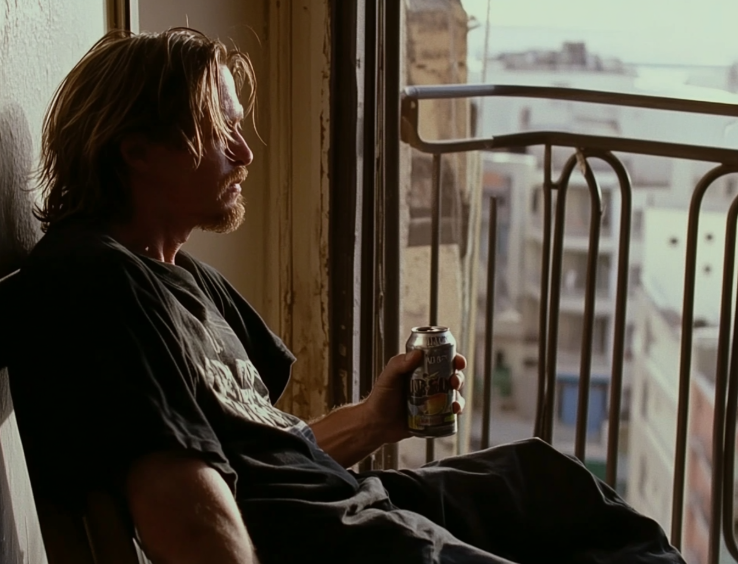
The checkup room was sterile and quiet—a sharp contrast to his usual chaos. The doctor, early forties with tired eyes and no-nonsense tone, asked questions. How long had the pain lasted? Where exactly did it hurt? Justin answered, trying to sound casual.
He hoped for something minor—ulcers, a stomach bug, a warning to slow down. But when the scans came back, the doctor’s demeanor shifted. Sitting down across from Justin, he spoke slowly, carefully, like lowering a hammer: “You have pancreatic necrosis. It’s severe.”
Justin blinked, unsure if he heard right. The words felt heavy, alien. The doctor explained the tissue in part of his pancreas had begun to die—caused by years of heavy alcohol use. It wasn’t something that would heal on its own.
“You’ll need surgery,” the doctor said, voice steady but kind. “The necrotic tissue must be removed. Do you have family? It’s a good time to let them know.”
Justin stared at the floor. Fifty-six years old—and this was his future: clinging to life through prescriptions and precision.
He didn’t argue. Didn’t cry. Just nodded faintly, took the prescribed painkillers, and walked out without asking questions. Outside, the sunlight felt too bright—too indifferent. By the time he got home, the paper bag in his hand was crumpled, and the ache in his side had returned with a vengeance.