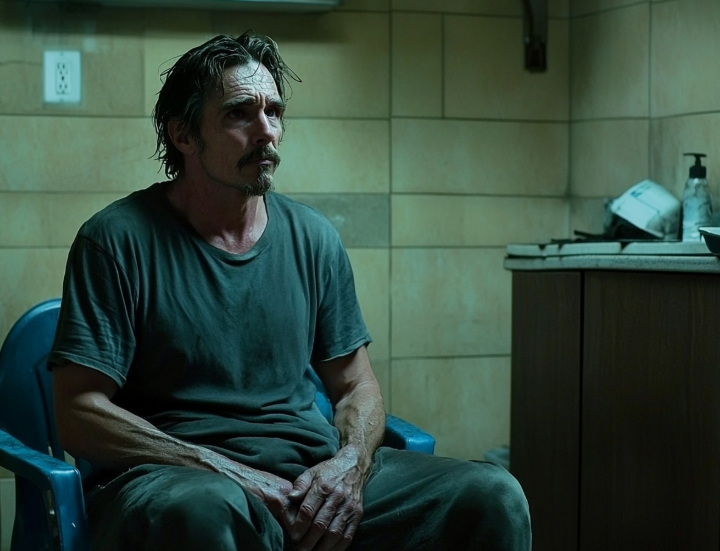
On the flight, his fingers barely left his phone. He clicked through profiles again and again, reading captions, noting birthdays, jobs, cities. His plan was simple—find the softest heart, the easiest target. One of them had to care. One had to crack.
He made a folder in his notes app, listing names, jobs, snippets from posts. Profiling his own children like strangers on the street. His oldest girls had been just five when he left. Now, these strangers held the power to save his life—or let him rot.
Ava and Elise, the eldest, looked born to wear aprons and lead with warmth. Their Portland bakery was drenched in sunlight and cinnamon—at least on Instagram. Ava posted heartfelt captions about food as memory. Elise shared stories of customers. One read: “We make things we wish we’d had.”
Their smiles were wide but carried weight—women who’d learned not to wait on anyone. One photo showed them laughing behind the counter with Lucy, flour-dusted and smiling. Justin hadn’t been there. He flagged Ava: guarded heart. Elise: sharper. No.
Claire and Riley came next. Their startup was splashed across Forbes, TechCrunch, and podcasts like FoundHer. Claire coded, Riley pitched. Their photos were sharp—blazers, neon signs, skyline selfies. One pinned post read: “Built from scratch. Nobody handed us anything.” Below, thousands of likes and two sharp comments from Lucy.

They looked invincible. Girls who had taught themselves to be steel. Justin watched a clip of Riley onstage: “Our company started with scarcity.” Claire spoke little, her gaze cool and deliberate. He circled Claire’s name with a question mark. Riley, he left blank.
Nina and Lila, the nurses, had the gentlest profiles—soft light, slow captions, tired eyes. Nina worked pediatrics, Lila emergency. Lila posted a reel holding pressure to a patient’s wound, hands shaking, then smiling through blood. Nina wrote simply: “We were all someone’s baby once.”
They looked like women who’d learned how to stay calm when the world fell apart. But also tired of cleaning up other people’s damage. Justin marked Lila: possible. Nina: less so. He wondered if either ever asked Lucy what kind of father he’d been.
Sloane and Norah came next. Sloane, the lawyer, had a sharp tongue and even sharper eyes. Her bio read simply: “Brooklyn. Feminist. Tired.” Norah’s feed was filled with sleek photos of modernist buildings, tight black turtlenecks, and models posing in the structures she designed. Not one post mentioned family. Norah rarely smiled. Sloane didn’t smile at all.